Once outcomes are defined, the next step is building the system that delivers them.
This is where most companies go wrong.
They treat brand, design, CMS, and content as separate workstreams — often owned by different people, built at different times, with no shared logic.
The result isn’t a system. It’s a collection of parts.
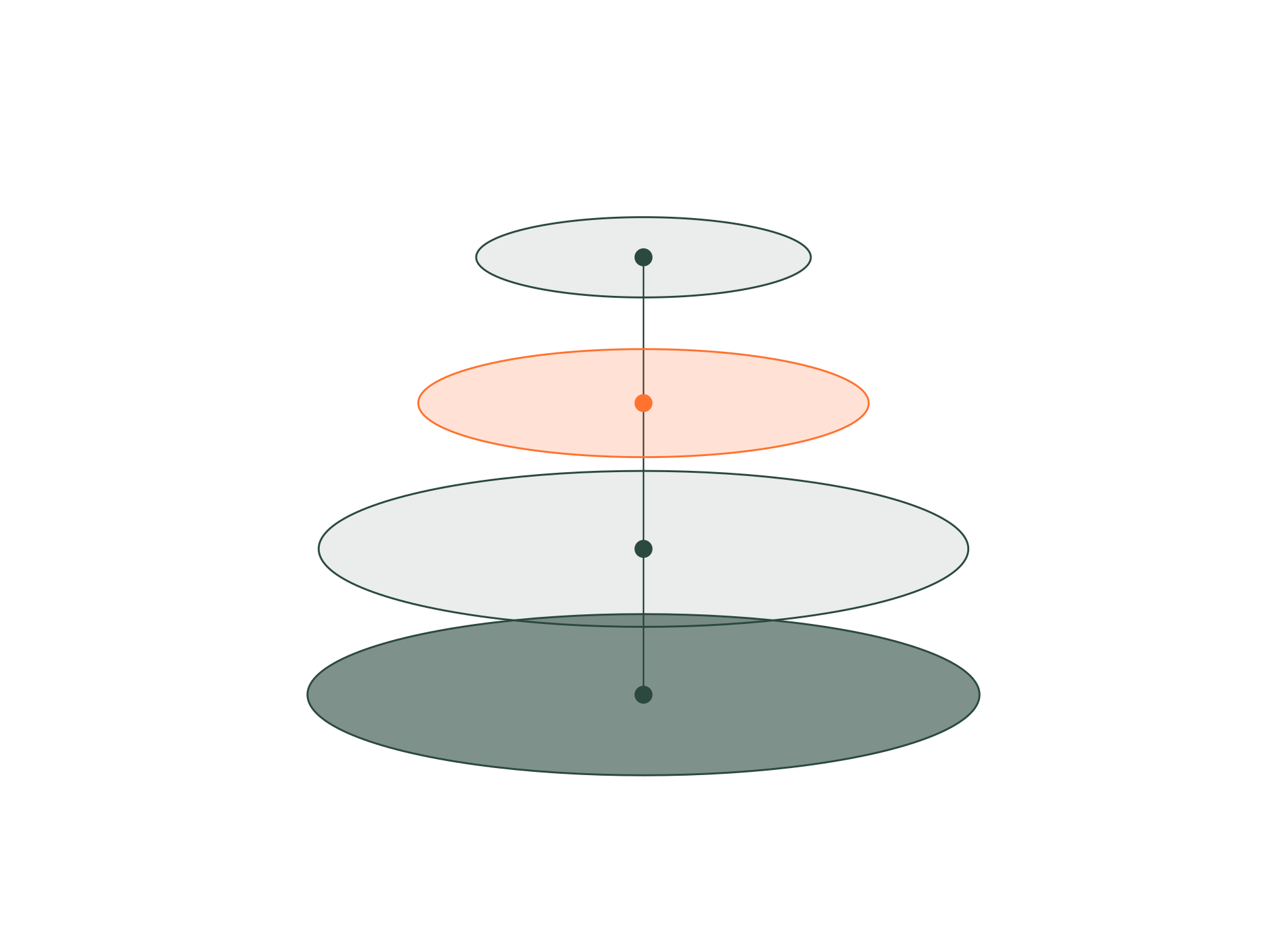
At Allsite, we approach websites as engines — where every component has a role and works in coordination with the others.
Structure before styling
Most teams jump straight into visual design.
But without a clear structure, even great design breaks down quickly.
Start with:
-
Page hierarchy
-
Navigation logic
-
Content relationships
This defines how users move, how content scales, and how easily your team can operate the system later.
Design should sit on top of this — not replace it.
Define the core components
A scalable website system is built from a consistent set of components.
Each one serves a specific function:
-
Brand — communicates positioning, builds trust, differentiates
-
Architecture — organizes content and defines navigation logic
-
Page design — drives conversion through layout and hierarchy
-
Visuals & showcases — provide proof and product clarity
-
Imagery — shapes perception and quality
-
CMS — enables structured, repeatable content operations
-
Third-party stack — extends functionality and embeds capabilities
The key is not just having these — but making them work together.
Design for reuse, not for pages
If every page is designed individually, your system won’t scale.
Instead:
-
Build reusable components
-
Define patterns for common page types
-
Standardize layouts where possible
This allows your team to create new pages without redesigning from scratch — and keeps the experience consistent.
Treat CMS as infrastructure
The CMS is not just where content lives. It defines how content can be created, updated, and reused.
A well-structured CMS:
-
Mirrors your content model (products, case studies, insights, etc.)
-
Enables non-technical teams to publish independently
-
Supports consistency across pages
A poorly structured CMS turns every update into manual work.
Align design with function
Good design isn’t about visual preference — it’s about function.
Every element should serve a purpose:
-
Headlines → clarity and positioning
-
Layout → flow and hierarchy
-
Visuals → understanding and trust
-
Components → speed and consistency
When design is disconnected from function, performance drops — even if the site looks good.
Our recommendation
Think of your website like a system you’ll operate daily — not a project you launch once.
Before moving into execution, make sure:
-
Your structure is defined
-
Your components are consistent
-
Your CMS supports your workflows
-
Your design system can scale
Because a website only becomes a growth engine when everything works together.