In modern B2B markets — especially SaaS, AI, fintech, and enterprise software — your website is your most powerful and most visible revenue engine. It is the first touchpoint in your buyer’s journey, the centerpiece of your GTM strategy, and the asset that determines whether a prospect books a demo, requests access, or simply bounces.
Yet most company websites underperform because they were designed for aesthetic preference instead of conversion intelligence. They look nice — but they do not convert.
This is where Conversion-Optimized Website Design for Pipeline & Revenue Growth becomes mission-critical.
It blends UX, positioning, messaging, psychology, and modern UI to turn your website into a system that produces sales outcomes — not just a digital brochure.
This article explains what conversion-optimized design is, why it matters, and how the right approach accelerates your pipeline, revenue, and long-term growth.
1. Why Conversion-Optimized Websites Drive Revenue
A high-performing website is built to move buyers from interest → understanding → trust → action with minimal friction. It solves the biggest problems modern companies face:
1.1 Buyers Don’t Understand What You Actually Do
Most sites fail at the first, most important task: immediate clarity.
Conversion-optimized design delivers:
-
a sharp value prop
-
differentiated positioning
-
instant product comprehension
-
clean workflow storytelling
If the buyer “gets it” fast, they convert.
1.2 Trust Signals Are Buried or Missing
Modern buyers want proof:
-
customer logos
-
case studies
-
ROI metrics
-
testimonials
-
integrations
-
security certifications
Conversion-centric design elevates trust into the hero of the website.
1.3 Product Value Is Not Clearly Communicated
Especially for SaaS and AI companies, the product is complex.
Your website must show:
-
what it does,
-
how workflows function,
-
what pains it removes,
-
what ROI it creates.
Strong UX/UI turns complex tech into instantly understandable value.
1.4 CTAs Are Not Strategically Engineered
High-conversion websites have CTAs that are:
-
placed intelligently
-
contextually relevant
-
psychologically timed
-
optimized for funnel stage
Great design guides behavior without force.
1.5 The Site Doesn’t Support GTM Velocity
Growth teams need:
-
landing pages
-
experiment pages
-
ICP-specific funnels
-
SEO scalability
-
integrations
-
campaigns
Conversion-optimized design builds systems, not one-off pages.
2. What Conversion-Optimized Website Design Actually Does
High-performing sites apply the principles of:
strategy → clarity → psychology → UX → positioning → UI → performance → proof → funnel design
This results in a website engineered for revenue impact.
2.1 Clarifies Your Value Proposition
The design process begins with:
-
messaging architecture
-
ICP segmentation
-
comparison clarity
-
narrative hierarchy
Your site must answer:
What do we do? For whom? Why is it better? Why now?
2.2 Structures the Website for Funnel Progression
Conversion-led information architecture includes:
-
structured sitemaps
-
solution/category architecture
-
product → workflow → feature sequencing
-
conversion paths for every ICP
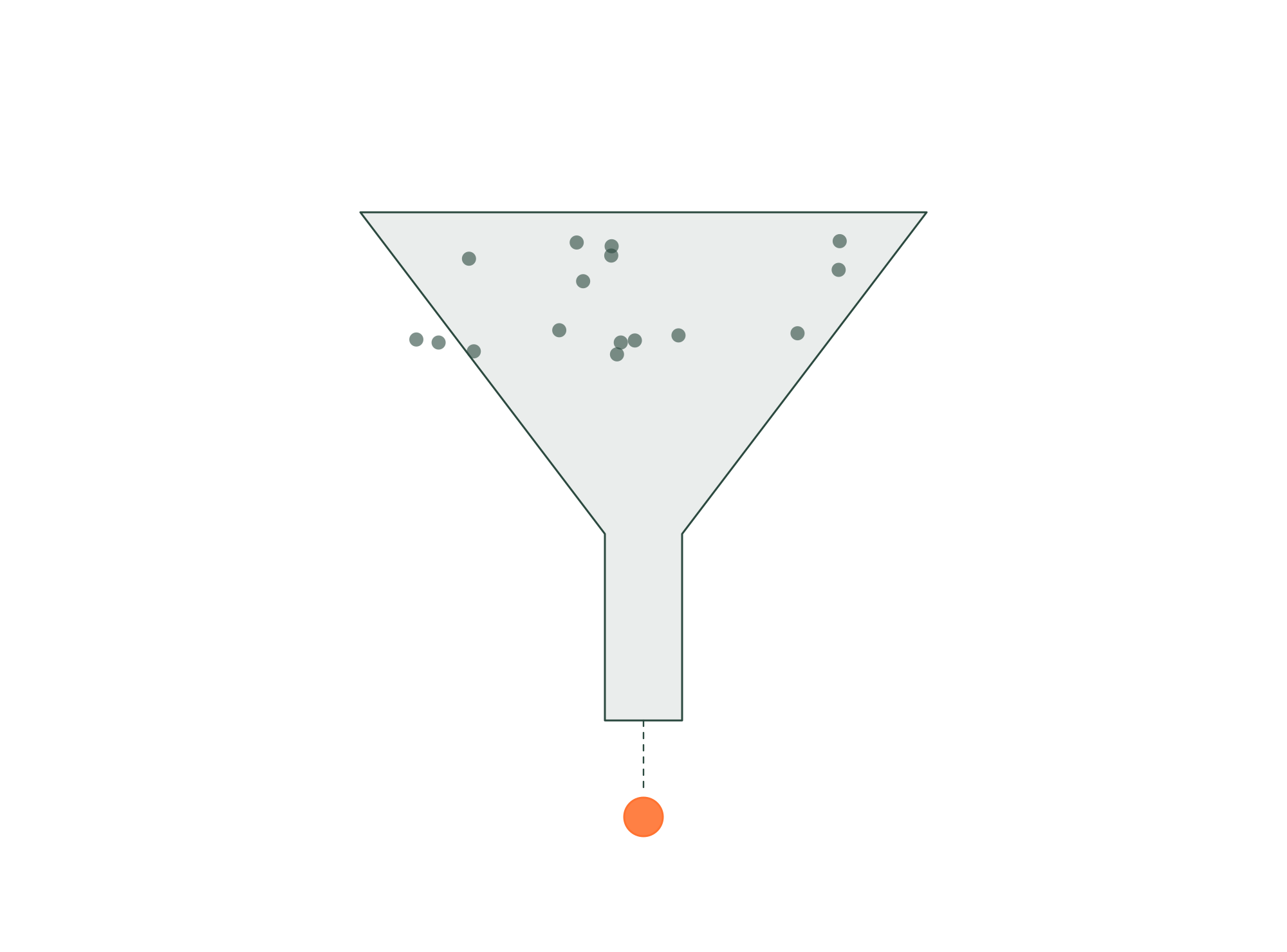
A conversion-optimized site is built like a sales funnel.
2.3 Builds High-Conversion UX Patterns
Core UX patterns include:
-
short-to-long sequencing
-
reduced friction points
-
scannable information blocks
-
repeatable templates
-
intuitive page flow
-
motivation-driven design
Every section exists for a conversion-specific reason.
2.4 Premium UI That Earns Trust
Good UI:
-
signals credibility
-
improves perceived value
-
reduces cognitive load
-
strengthens differentiation
Premium visual design increases willingness to convert — especially in enterprise SaaS.
2.5 Product UI Storytelling
Conversion-optimized design uses:
-
product screenshots
-
dashboards
-
animations
-
workflows
-
agent processes
-
integrations
-
visualized logic
Buyers must see the product to believe it.
2.6 Trust & Social Proof Layering
Trust is engineered into:
-
above-the-fold proof
-
customer quotes
-
logo matrices
-
ROI claims
-
security badges
-
use cases
-
enterprise references
Proof increases conversions more than any other factor.
2.7 Strategic CTA Architecture
CTAs are tailored by ICP and intent:
-
request demo
-
free trial
-
watch video
-
explore features
-
price calculator
-
compare options
Conversion is the result of intelligent CTA placement.
2.8 Performance, SEO, and Technical Quality
Conversion breaks instantly when the site is:
-
slow
-
confusing
-
unstable
-
poorly structured
-
not SEO ready
A conversion-optimized site is a high-performance engine.
3. The Process Behind Conversion-Optimized Website Design
A professional conversion-driven workflow follows six phases:
Phase 1 — Research & Strategy
-
ICP analysis
-
narrative development
-
funnel audit
-
analytics review
-
competitive analysis
-
SEO opportunity mapping
Outcome: the conversion strategy.
Phase 2 — Information Architecture & UX
-
sitemap
-
user flows
-
core templates
-
conversion sequences
-
CTA systems
Outcome: a funnel-based structure.
Phase 3 — High-Fidelity UI & Visual System
-
typography
-
layout system
-
color & contrast
-
components
-
product UI storytelling
-
trust layering
-
animations
Outcome: premium UI built for clarity and trust.
Phase 4 — Development & Build
Whether in Framer, Webflow, or React:
-
components
-
CMS architecture
-
landing page templates
-
SEO
-
mobile-first performance
Outcome: a fast, technically flawless website.
Phase 5 — QA, Testing & Optimization
-
device testing
-
speed tests
-
copy refinement
-
accessibility
-
conversion checks
Outcome: reliable performance at launch.
Phase 6 — Continuous Conversion Optimization
After launch:
-
A/B testing
-
homepage iteration
-
landing page expansion
-
CTA variants
-
SEO content expansion
-
performance tuning
Conversion increases continuously over time.
4. Why Companies Invest in Conversion-Optimized Websites
4.1 More demos, trials, and high-quality leads
Clearer story → more pipeline.
4.2 Shorter sales cycles
Buyers understand the product faster.
4.3 Stronger investor and enterprise perception
Premium UI signals a credible, mature company.
4.4 Higher willingness to pay
Better perceived value → stronger pricing power.
4.5 Greater GTM velocity
Teams can ship new pages instantly when built on a scalable system.
4.6 Compounding SEO and content leverage
Great structure improves ranking, traffic, and inbound volume.
5. What Makes the Right Conversion-Optimized Design Partner
Must-Haves
✔ SaaS/AI/B2B expertise
✔ narrative + positioning clarity
✔ UX + conversion psychology
✔ premium UI capability
✔ product UI storytelling
✔ SEO + performance literacy
✔ scalable CMS thinking
✔ strong results in past work
✔ fast iteration and delivery
Red Flags
✘ purely visual design
✘ no understanding of ICPs
✘ no narrative strategy
✘ no data-driven methodology
✘ template-only thinking
✘ no CMS or system architecture
✘ slow, unclear process
Conversion is a science — not a vibe.
6. Conclusion: Conversion-Optimized Design Is the Fastest Way to Grow Pipeline & Revenue
A high-conversion website does not just look better — it performs better.
It brings clarity.
It builds trust.
It reduces friction.
It differentiates your company.
It increases pipeline velocity.
It accelerates revenue.
For modern companies, especially SaaS and AI, this is not optional — it is the highest-leverage investment you can make in your GTM.
A website built for conversion becomes your most powerful revenue-generating asset.